Welcome to the world of Kaleido
Shop Kaleido
Contact Us
Shop Kaleido
Email:
shoponline.kaleido@gmail.com
Everything you need to live in style

Follow Us
Copyright 2026 | Kaleido
Blog
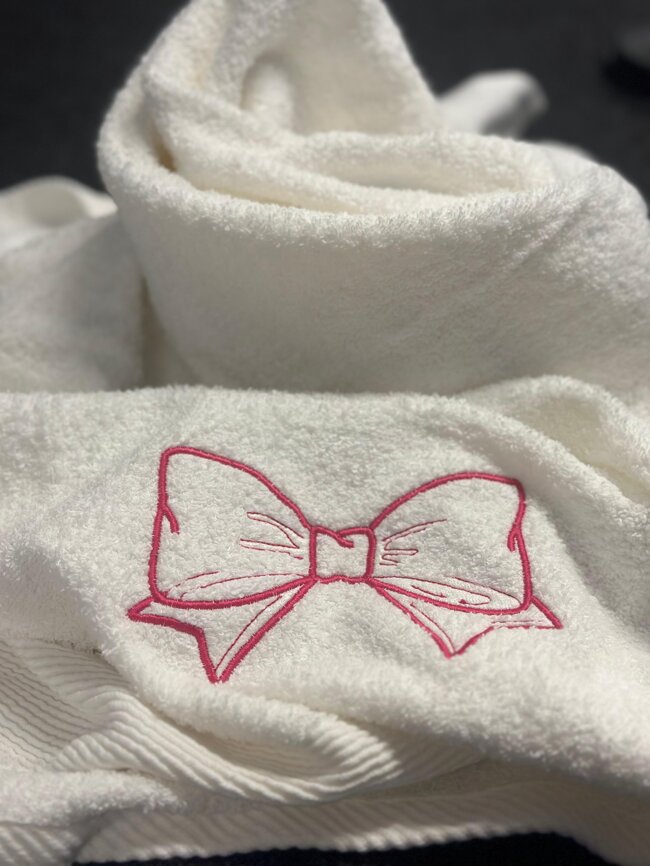
How a handmade item is born: the creative process behind hand-crafted objects
In a fast-paced world, where everything is immediate and replicable, handmade objects represent a small act of resistance. A handmade item is not simply a product: it's a story, a gesture, a choice. Each piece is born from a slow, human, and profoundly authentic process. But what really happens behind the scenes of artisanal creation?
1. The idea: when inspiration meets material
Every handmade item is born from an intuition: a color seen on the street, a texture touched by chance, a memory, a need.
The artisan observes, collects, imagines. He draws sketches, tests combinations, selects materials that are never neutral: every fiber, every wood, every pigment carries with it a personality.
The idea is never abstract: it is already a dialogue between creativity and reality, the first step in the handmade creative process.
2. The choice of materials: quality, ethics, and sensations
In the world of craftsmanship, raw materials are the protagonist. We don't just choose what "works," but what has a story to tell.
Natural, recycled, local materials, or reinterpreted traditional techniques: every choice is intentional.
The artisan touches, weighs, compares. He seeks materials that last, are pleasant to use, respect the environment, and convey emotion.
This is where the character of the object and its identity are defined.
3. Processing: the slow pace of the hands
The most fascinating phase is when the idea takes shape.
There are no machines that "do for": there are hands that shape, weave, sew, sculpt, paint.
Every gesture is the result of years of practice, errors, attempts, and improvements.
And every piece is different from the next, because the hand is never identical, the material does not always react the same way, and creativity evolves.
This uniqueness is not a flaw: it is the added value of handmade objects.
4. Imperfections: the artisan's signature
In the industrial world, we talk about "tolerance for error."
In the handmade world, we talk about character.
A small variation in color, a slightly different stitching, an imperfectly symmetrical shape: these are details that reveal the presence of the artisan, their authenticity, their humanity.
They are what make a handmade item truly unique and unrepeatable.
5. The finishing: when identity is born
The final phase is a ritual of care.
It is sanded, polished, and checked for every detail.
A label is added, thoughtful packaging is designed, and a personal message is added.
It is the moment when the object stops being "worked material" and becomes a piece with a story, ready to enter someone's life.
Because choosing handmade means choosing a story
Buying a handmade object isn't just about bringing home something beautiful: it's about supporting a more human, slower, and more mindful way of working.
It's about surrounding yourself with objects that speak, that last, that have a soul.
And every time a customer chooses a handmade piece, they also choose the artisan who created it.